)
)
Celebrating Día de Muertos Wherever You Are in the World
)
)
In the days leading up to November, marigolds begin appearing across Mexico. Freshly baked pan de muerto cools in bakery windows. Families bring out old photographs, light candles, and prepare favorite foods from recipes passed down by relatives who are no longer there to make them.
This is Día de Muertos, the Mexican holiday that will be observed this year on November 1 and 2 to remember and celebrate loved ones who have died. Families come together around ofrendas, food, music, stories, and festivities.
Día de Muertos is often translated into English as the Day of the Dead. Spend any time with its traditions and it's hard to miss how much of the holiday is really about life: the things people loved, the food they ate, the stories they left behind, and the families who continue telling them. Today, those traditions are celebrated far beyond Mexico, traveling with the people who observe them.
Here are 4 ways to celebrate Día de Muertos wherever you are in the world:
1. Create your own ofrenda, or altar
Ofrendas, or offerings, are the heart of the holiday. During Día de Muertos, people create these colorful altars in their homes and at loved ones’ graves to honor and remember the departed. Even if you are living abroad, you can put one together.
Start with traditional offerings like candles and cempasúchil, or Mexican marigolds. Often called “flowers of the dead," their bright colors and scent are traditionally said to help guide spirits home. Then make the ofrenda personal. Add photographs, favorite foods, sweets, or other mementos that remind you of the people you're celebrating.
Calaveras de azúcar, or sugar skulls, are also common. Often brightly decorated with colorful icing, these small skulls have become one of the most recognizable symbols of Día de Muertos and can be made at home or abroad with just a few ingredients.
2. Feast on the traditions
For Día de Muertos, remembering loved ones also means remembering what they loved to eat. Families often prepare their departed loved ones’ favorite foods, sharing them around the table and placing them on the ofrenda alongside other offerings.
Pan de muerto, or “bread of the dead,” is one of the holiday's most recognizable foods. This lightly sweetened bread is traditionally baked in the weeks leading up to Día de Muertos. It's often made in a round shape, with pieces of dough resembling bones arranged across the top. Make a loaf for your own celebration or find one at a local Mexican bakery to enjoy or include in your ofrenda.
)
)
3. Find festivities near you
Día de Muertos doesn’t only happen in Mexico. Mexican communities around the world have carried the holiday’s traditions with them, and today you can find festivals, parades, community ofrendas, and other celebrations in cities across the globe. You might be surprised by what’s happening in your area.
These celebrations have their own histories and traditions and shouldn’t be confused with Mexico’s Día de Muertos. But they share something familiar: families and communities coming together to remember the people who came before them.
Wherever you live, look for Día de Muertos events hosted by local Mexican cultural organizations, museums, and community groups. You may also find pan de muerto, sugar skulls, and other seasonal treats at Mexican bakeries and restaurants nearby.
4. Celebrate with loved ones from afar
Living away from home can mean celebrating Día de Muertos a little differently. If your family is building an ofrenda, send them a photograph or memento to include from your life abroad. Ask what they're cooking and make the same dish yourself. Have flowers delivered for the altar, contribute to food or candles, or help cover the cost of a family trip to the cemetery.
Sometimes participating is less about recreating the celebration wherever you are and more about finding your place in the one happening back home. If sending money is part of that, you can send money to Mexico with Ria to contribute to the preparations or support the family members bringing everyone together.
The traditions of Día de Muertos are rooted in place, family, and generations of history, but memories travel. A well-loved photograph can cross an ocean. A childhood recipe can be made in two kitchens at once. And the stories that connect us to the people we've loved and lost can be told again from anywhere.
FAQ
When is Día de Muertos in 2026?
Día de Muertos is observed each year on November 1 and 2. In 2026, those dates fall on Sunday, November 1 and Monday, November 2. Celebrations and traditions vary across Mexico, with some communities beginning their observances before November 1.
What is an ofrenda for Día de Muertos?
An ofrenda, or offering, is an altar created to honor and remember loved ones who have died. Families make them personal with photographs, favorite foods, and other mementos, alongside traditional offerings like candles, cempasúchil, pan de muerto, and sugar skulls. The exact traditions vary by family and region.
How is Día de Muertos celebrated?
There is no single way to celebrate Día de Muertos, and traditions vary across Mexico. Families may build ofrendas for loved ones who have died, prepare their favorite foods, decorate with cempasúchil, visit and decorate graves, and gather to share food, music, memories, and stories.
About the author
Devon Costantine
Devon Costantine is Ria's Senior Digital Marketing Manager, leading global web content. Based in Colorado, she believes the best way to explain a financial system is to start with the people inside it.
Related posts
Living in Japan as a Foreigner: How to Read the Room and Feel at Home
Japan always leaves a strong impression on those who visit the country. Its cities are clean and efficient, public transport is known to be reliable, and everyday life often feels remarkably organized. These factors make it easy to understand why so many people choose moving to Japan as a foreigner: to live, work or study
From Dance to Values: Uncovering the Full Iceberg of Culture
Are you familiar with the “Iceberg of Culture”? Developed by anthropologist Edward T. Hall, it shows that culture goes far beyond what we can see, shaped as much by visible expressions as by deeper, often invisible elements. On World Day for Cultural Diversity, we’re exploring both sides of that iceberg. From language and dance to []

International Dance Day: How Movement Connects Cultures
Dance is a timeless art expressed through movement. It has been used by humanity for millennia to convey meaning and emotions. To this day, dances hold memories and wisdom from ancestral times. They’re a powerful marker of identity that transcends borders and ages, bringing cultures together. That is why many migrants use dance as way []
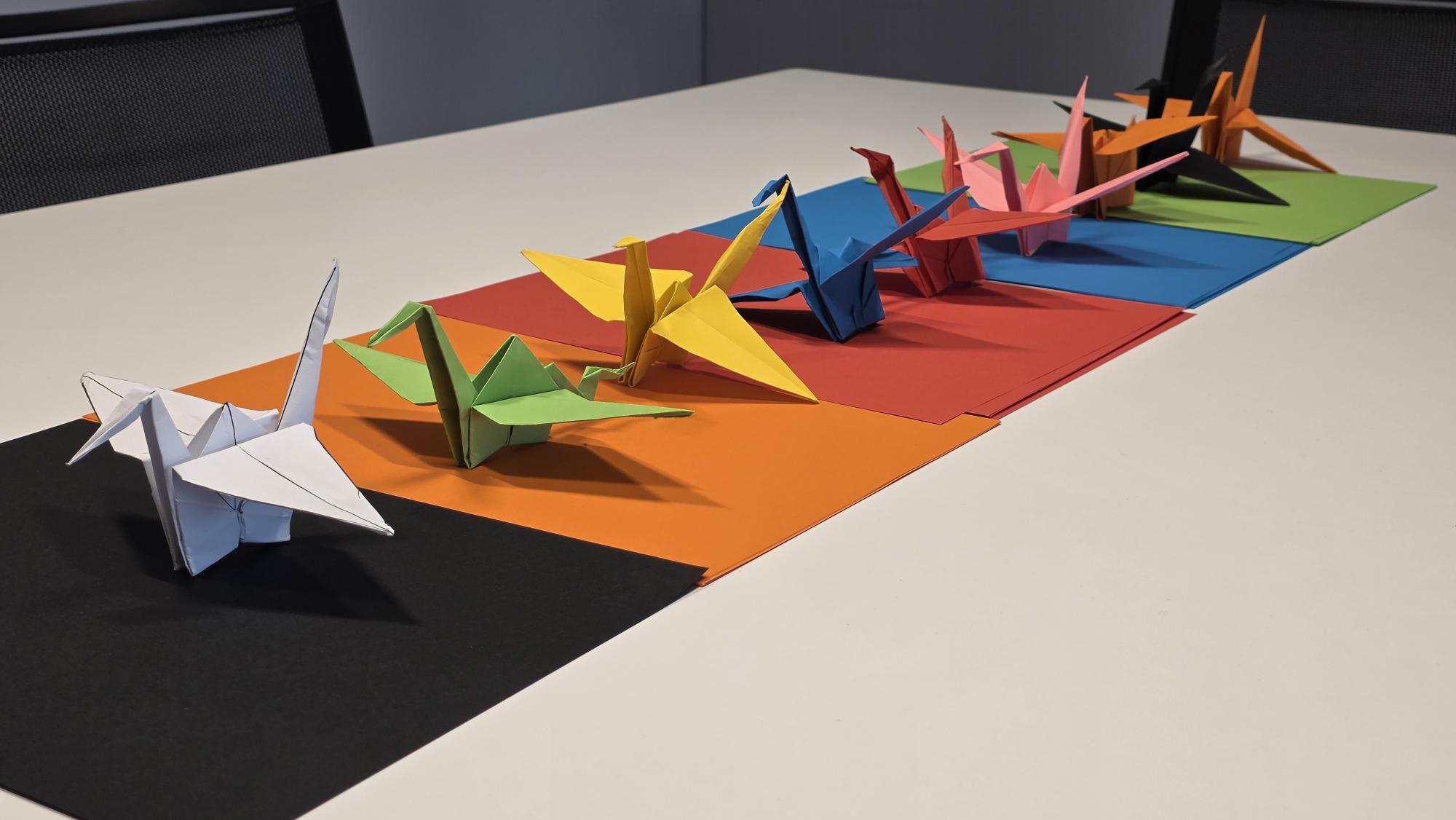
We Folded One Thousand Cranes for Children
Key Takeaways ▪ Senbazuru is a Japanese tradition of folding 1,000 paper cranes to express hope, healing, or peace.▪ The paper crane symbolizes long life and resilience in Japanese folklore.▪ Sadako Sasaki, a Hiroshima bombing survivor, made the tradition globally known while battling leukemia.▪ Her story turned the paper crane into an international symbol of []